
How to Increase Profit Margin: A Practical Guide for NZ Business Owners

Revenue is up. The team is flat out. Jobs keep coming in. So why does the bank account still feel tight?
For a lot of trades, construction, and manufacturing business owners in New Zealand, the problem isn't a lack of sales, it's profit quietly leaking out of the business through poor visibility, underquoted jobs, rework, and decisions made too late. Being busy and being profitable are not the same thing, and by the time it shows up in the monthly accounts, the money has already gone.
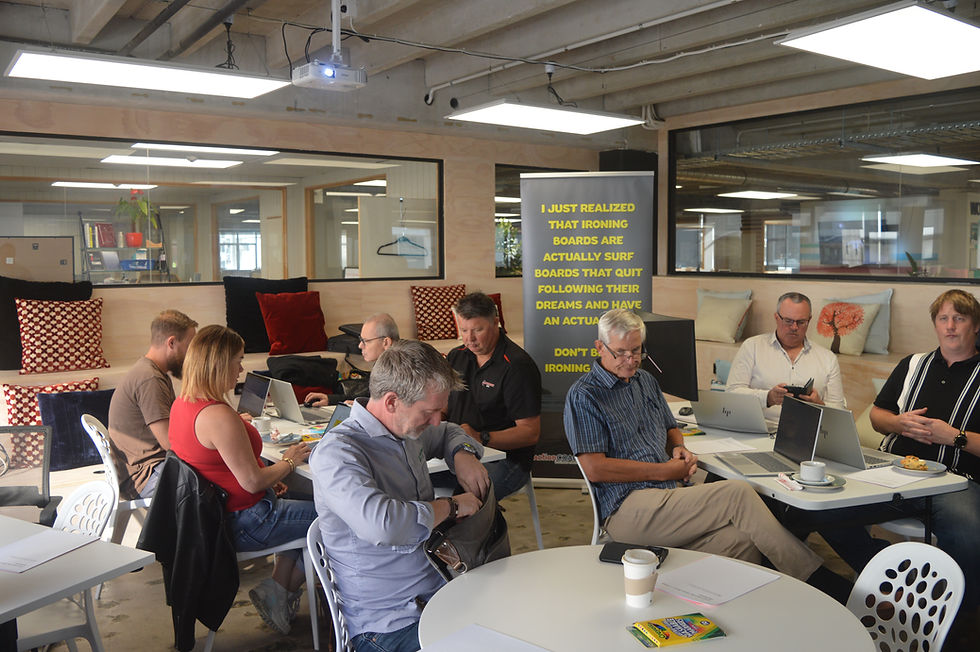
Here's a practical breakdown of how to increase your profit margin, where margin actually leaks, and when it's worth bringing in dedicated profit coaching support in New Zealand.
How Do You Increase Profit Margin?
To increase profit margin, a business needs to find where money is leaking (quoting, labour, materials, rework), install clear KPIs around gross profit and job performance, replace slow monthly reporting with real-time dashboards, and build accountability so managers act on the numbers weekly instead of reviewing them after the damage is done.
Why Revenue Can Grow While Profit Margin Shrinks
This is one of the most common (and most dangerous) patterns in growing NZ businesses. Sales go up, the team gets busier, and yet margin gets thinner. The usual causes:
Jobs quoted on the wrong assumptions from the start
Labour hours blowing out without anyone catching it early
Materials and rework quietly eating into margin
Teams working hard with no clear daily performance targets
Owners making decisions off end-of-month accounts, weeks too late
Managers reporting on activity rather than actual performance
Individually, each of these looks small. Together, they're the difference between a "successful" year on paper and a business that's actually profitable.
Margin Fade: The Silent Profit Killer
Margin fade happens when a job looks profitable at the quoting stage but slowly loses margin during delivery. A few extra labour hours here, some unpriced rework there, materials that aren't tracked properly, a delay nobody accounted for and the job that was meant to make money quietly turns into a break-even job, or a loss.
This isn't a sales problem. It's an operational visibility problem and it's largely invisible if you're only checking the numbers once a month.
4 Steps to Build Predictable Profit
1. Find the Leaks
Map out exactly where profit is escaping, quoting accuracy, labour efficiency, materials and rework, workflow bottlenecks, and management accountability. You can't fix what you can't see.
2. Set the Right KPIs
Vague targets don't protect margin. Clear performance measures for sales, delivery, workshop efficiency, gross profit, and cash flow give the whole team something concrete to work toward.
3. Install Daily (Not Monthly) Reporting
Monthly accounts tell you what already happened, they don't help you act. Simple daily or weekly dashboards show what's happening while there's still time to fix it.
Build Real Accountability
Numbers only protect margin if someone is actually using them. Owners and managers need to be checking performance weekly and adjusting course before small issues become expensive ones.
Signs Your Business Has a Profit Margin Problem
You likely have a margin issue, not a sales issue if:
Revenue is growing but profit stays inconsistent
You're busy, yet still feel constant cash flow pressure
You don't fully trust your job margins
You rely on monthly accounts that arrive too late to act on
Your team works hard but has no clear performance targets
You're planning to scale, sell, or hand the business over and need real visibility first
Frequently Asked Questions
How do you increase profit margin in a small business?
Start by identifying where margin leaks during delivery (labour, materials, rework), set clear KPIs around gross profit and job performance, and move from monthly to weekly or daily reporting so problems are caught before they eat into the job.
What is margin fade?
Margin fade is when a job looks profitable when quoted but loses profitability during delivery due to labour blowouts, rework, untracked materials, or delays that weren't priced in.
Why is my revenue growing but my profit isn't?
This usually points to operational visibility issues, jobs quoted incorrectly, inefficient labour use, or reporting that only shows problems after the money is already spent, rather than an actual lack of sales.
Is there profit coaching for businesses in Auckland or near me?
Yes. ACBE, based at Karaka House, 9 Huron Street, Takapuna, offers Profit Growth Coaching for trades, construction, and manufacturing businesses across Auckland and New Zealand, in person or via Zoom.
What industries benefit most from profit growth coaching?
Trades, construction, manufacturing, and other project-based industries benefit most, since margin fade is common where jobs are quoted upfront but delivered over time with variable labour and materials costs.
Do I need to be based in Auckland to work with a profit coach?
No. Many NZ profit coaching providers, including ACBE, work with clients throughout the country via Zoom, phone, or hybrid arrangements, not just those based in Auckland.
How much does profit coaching cost in New Zealand?
Pricing typically depends on the level of engagement and the size of the business. Most providers, including ACBE, start with a free strategy session to assess fit before quoting a tailored plan.
Profit Growth Coaching in Auckland and NZ
If your business is busy but the profit isn't showing up where it should, book a free Profit Strategy Session with Kerry Wood at ACBE and find out exactly where your margin is going.
For established trades, construction, project-based, and manufacturing businesses, generic budgeting advice usually isn't enough, the leaks are operational, not just financial.
ACBE (Auckland Centre of Business Excellence), based in Takapuna, runs a dedicated coaching program led by Kerry Wood. The approach is built around finding where profit is leaking, installing the right KPIs, setting up daily reporting, and building the accountability to protect margin every week, not motivational talk, but measurable operational change. ACBE works with businesses across Auckland and the wider country, in person or remotely.


Comments